
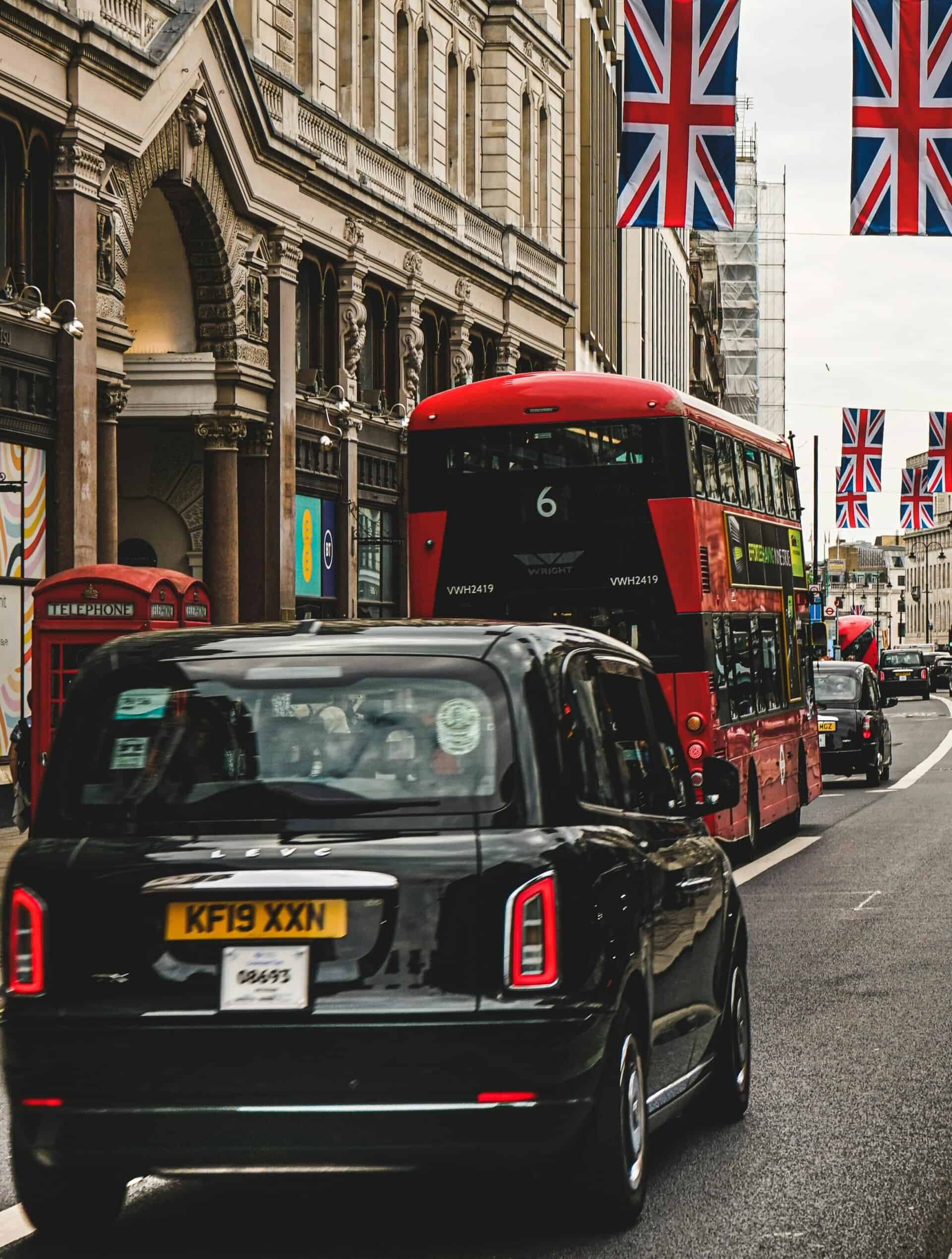
Getting to the airport should be the easy part of a trip. Yet for many travellers, it becomes one of the most stressful stages. Between luggage, traffic, ticket times, early starts, and last-minute delays, choosing how to travel can make a big difference to the day.
If you are travelling from Woking or nearby areas, the main options are usually airport taxi transfer, train, or bus. Each one has its place. A solo traveller with a small bag may prefer the train. A student on a tight budget may choose the bus. A family with suitcases may find that a taxi is the most practical choice.
So, when it comes to airport travel, which option is best?
The Case for Taking a Taxi

For many passengers, a taxi is the simplest way to get to the airport. It offers door-to-door travel, which means you can be picked up from home, work, a hotel, or Woking station and dropped directly at the terminal.
This is one of the biggest reasons people book airport taxis in Woking. There is no need to carry bags across platforms, wait in the rain, or change services with children in tow. You agree on a pickup time, load your luggage, and travel straight to the airport.
Taxis are also useful for flights at awkward times. Early-morning departures and late-night arrivals can be difficult by public transport. Train and bus services may be limited, and a missed connection can cause real problems. A pre-booked taxi gives you a set plan, which can take a lot of pressure out of the journey.
When a Taxi Makes the Most Sense
A taxi is often the best choice for families, groups, business travellers, older passengers, and anyone travelling with heavy luggage. It is also a strong option if you are heading to airports such as Heathrow, Gatwick, London City, Luton, or Stansted from Woking.
For business travel, a taxi can also give you time to make calls, reply to emails, or prepare for a meeting. For holiday travel, it can make the start of the trip feel calmer. If you choose a luxury taxi, the extra comfort can be well worth it, especially for longer airport transfers.
The main drawback is cost. A taxi will usually be more expensive than a bus or standard train ticket for one person. However, for two or more passengers, the price can become much more competitive. When you add luggage space, convenience, and direct travel, the value becomes clearer.
The Case for Taking the Train
Trains can be a good choice for airport transfers in Woking, especially when the route is simple and you are travelling light. From Woking, passengers can connect to several London routes, with onward travel to major airports.
The train can be faster than the road at certain times, particularly when traffic is heavy. It also avoids parking costs and can be cheaper for solo travellers who book at the right time. For people who are confident with public transport, this can be a practical option.
However, airport journeys by train are not always direct. You may need to change stations, use the Underground, or move between platforms with bags. This can become tiring, especially during rush hour or when travelling with children.
The Hidden Challenges of Train Travel
Train travel depends heavily on timing. If a service is delayed or cancelled, your airport plans can quickly become stressful. Engineering works, strikes, crowded carriages, and short connection windows can all affect the journey.
Luggage is another issue. Trains are not always designed for large suitcases, pushchairs, sports equipment, or several bags per person. During busy periods, finding space can be hard.
For return journeys, the train may also be less appealing. After a long flight, most people do not want to work out platforms, tickets, and connections. This is one reason many travellers prefer airport taxis in Woking for the journey home.
The Case for Taking the Bus
The bus is often the cheapest way to travel to the airport. For students, backpackers, and budget-conscious travellers, it can be a sensible option. Some airport coach services also run at useful times and offer direct routes from larger towns or transport hubs.
Buses can be less stressful than trains in some ways. You do not usually need to change platforms, and luggage space is often better than on a busy commuter train. If the route is direct, it can be a simple and affordable way to travel.
The main drawback is journey time. Buses and coaches can take longer than taxis or trains, especially if they stop along the way. They are also affected by traffic, and you have less control over pickup and drop-off points.


